Could you start by telling us something about Kilmeaden and how people feel?
Kilmeaden is a small village about seven miles from Waterford city. The surrounding area is primarily agricultural, and there used to be a cheese plant in the village before it moved to Kilkenny.
Two new housing estates were built in the village by Kent Homes, and they faced no objection from people because we knew there was a need for housing.
The last of these houses was sold about two weeks before Kent Homes, which owns a lot of land in the area, applied for planning permission for data centres directly across the road from them.
The houses they built were expensive enough, but they were sold to people based on living in a quiet rural area. Yet the same company wants to build a massive data centre on their land.
Who exactly is involved in this proposal for a data centre?
You have to distinguish between those who apply for planning permission, those who will build and own the data centre and the big tech company that will lease or use it.
We have not been told who will use this data centre. But I don’t think it is a coincidence that Mark Zuckerberg has just bought a castle in Lismore and says he intends to make it a base for his business operations. This could set a precedent for how this country could become a location for data centres.
The planning application to Waterford County Council was signed by Kent Homes, a family-based property developer based in Tramore and Craig Rathnew, a company set up only in 2023.
The data centre will be built by Echelon, a company which describes itself as an ‘international data centre infrastructure developer’ and which already owns six facilities in Ireland and Britain.
Can you outline why exactly you are objecting to this project?
Firstly, it is not in the right place. It will be situated right in the middle of Kilmeaden, on the left side of the village and about half a kilometre long.
I grew up in a house that would be looking directly onto it. It will engulf people living in the area.
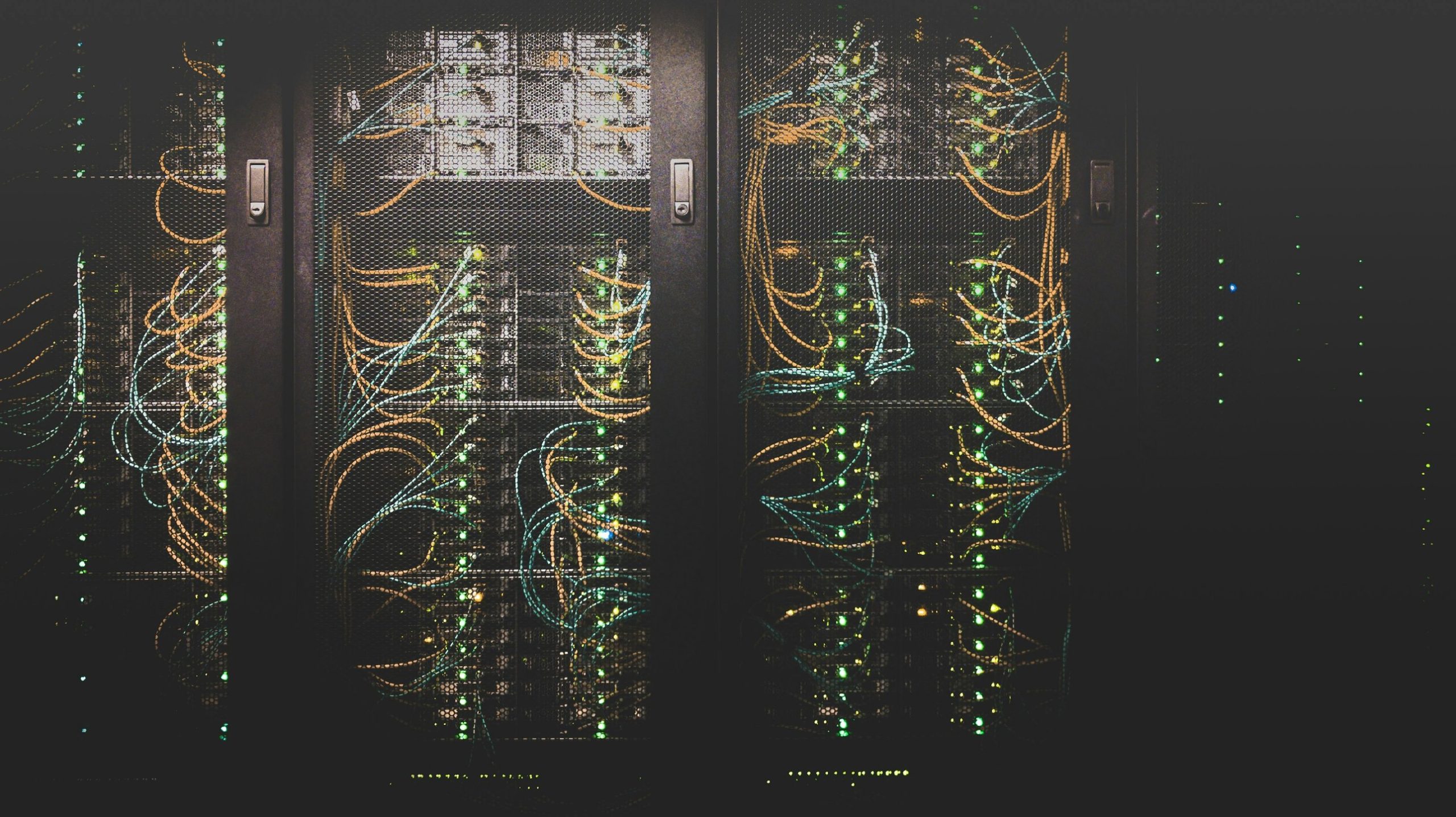
Second, there will be sixteen gas turbines, possibly working 24 hours a day and seven days a week. Why should people be forced to live beside such turbines when they do not know the effects on their health?
There will also be a field of solar panels but professional experts we have contacted have explained that only 2% of the data centre’s energy will be supplied by these.
So here is the crucial point: Under the government’s proposals, data centres have been given six years to reach a target of getting 80% of their energy from renewables. A lot of people are not aware of how the government is facilitating data centres in this way.
People are paying a PSO levy to upgrade the grid – but the reality is that almost all our electricity is already being consumed by renewables that are linked to data centres. They also get energy at a much cheaper rate than the domestic user must pay.
The standard argument against campaigns like yours is that you are guilty of NIMBYISM. Are you against data centres only in your backyard?
I don’t agree. I am for a moratorium on data centres. I don’t want them built in anyone’s backyard or village. We should stop building them, as we already probably have the highest number of data centres per head of the population.
We need, as a country, to investigate what they are used for. I personally would prefer if we just stopped building them.
They are consuming too much of our electricity. They are already endangering targets for Climate Action. We don’t even know how much water they are using.
The push for hyperscalers, as these huge data centres are known, is linked to Artificial Intelligence. They require even more sophisticated semiconductors and large amounts of energy. Huge amounts of capital are being invested in AI and we are not even sure that those investing are guaranteed the profit they desire.
Yes, I agree, and I think it is all very dodgy. There is huge hype about AI, but they are forcing it on us. When I use Google, AI is pushed on me. They want to make us so used to AI so that we eventually all pay for it.
It is really pushed on teenagers, and before you know it, they will be consulting AI agents for deeper answers to questions about life.
They tell us that we need these data centres to power our mobile phones. But there is a lot of waste involved. If you say a word like ‘yacht’ you will be inundated on social media with advertisements to sell you services linked to yachts. They are using data centres to sell us commodities and to monitor what we are doing. We should never fall for their catchline about ‘you need them for mobile phones’. So, what are your plans to oppose them?
Right now, the planning application for the Kilmeaden data centre is before the Waterford County Council. We held a protest at their office, and even though it was a Monday, a good few people turned up.
We have been told by a top civil servant that data centres are part of our ‘critical infrastructure’. But legally they do not yet fit that definition. So, you will have to watch how this government, in a sneaky, underhanded way, tries to bring them under ‘critical infrastructure’ provisions.
But for the moment they must first apply for permission from local councils. Waterford County Council are due to give its determination on October 19th.
On Saturday the 10th October we are organising a convoy to bring the issue to the people of Waterford. The cars will leave Kilmeaden and travel into the city to highlight why we oppose this data centre.
Whichever way the council decides, it is bound to go to An Bord Pleanála. The companies have put so much effort into this; they are bound to appeal to An Bord Pleanála, and no doubt, so would local people, if the council decided to give them planning permission.
Good for you. But how do you think you can win a moratorium if this state is determined to market itself as a country for data centres?
We have to link up with other campaigns across the country. We need public pressure to force this government to do an about-turn. We are supposed to live in a democracy, so they will have to listen to people.
